Amber
Fossilized resin with insects or plants
Ammonites
Extinct cephalopod mollusks
Crustaceans
Crabs, shrimps, and other fossil arthropods
Amphibians and Reptiles
Pieces of sauropsids, crocodiles, and turtles
Teeth
Shark teeth and other fish
Dinosaurs
Very well preserved fossil pieces
Echinoderms
Sea urchins, starfish and other fossils
Insects
Very well preserved and well defined fossil insects
Mammals
Fossils of mammuthus, whales, bears, bison ...
Other Fossils
Rare, scarce and diverse classification fossils
Fish
Fossils of fish, vertebrae, fins and teeth
Paleobotany
Fossilized leaves, trunks, conifers, ferns and pineapples
Trilobites
Large collection of fascinating fossil trilobites
Special
Unique and special collectible fossils
Amber
Fossilized resin with insects or plants
Ammonites
Extinct cephalopod mollusks
Crustaceans
Crabs, shrimps, and other fossil arthropods
Amphibians and Reptiles
Pieces of sauropsids, crocodiles, and turtles
Teeth
Shark teeth and other fish
Dinosaurs
Very well preserved fossil pieces
Echinoderms
Sea urchins, starfish and other fossils
Insects
Very well preserved and well defined fossil insects
Mammals
Fossils of mammuthus, whales, bears, bison ...
Other Fossils
Rare, scarce and diverse classification fossils
Fish
Fossils of fish, vertebrae, fins and teeth
Paleobotany
Fossilized leaves, trunks, conifers, ferns and pineapples
Trilobites
Large collection of fascinating fossil trilobites
Special
Unique and special collectible fossils
Credit card or PayPal
Estimated time 7 to 10 days
See our return policy
Guarantee safe & secure checkout
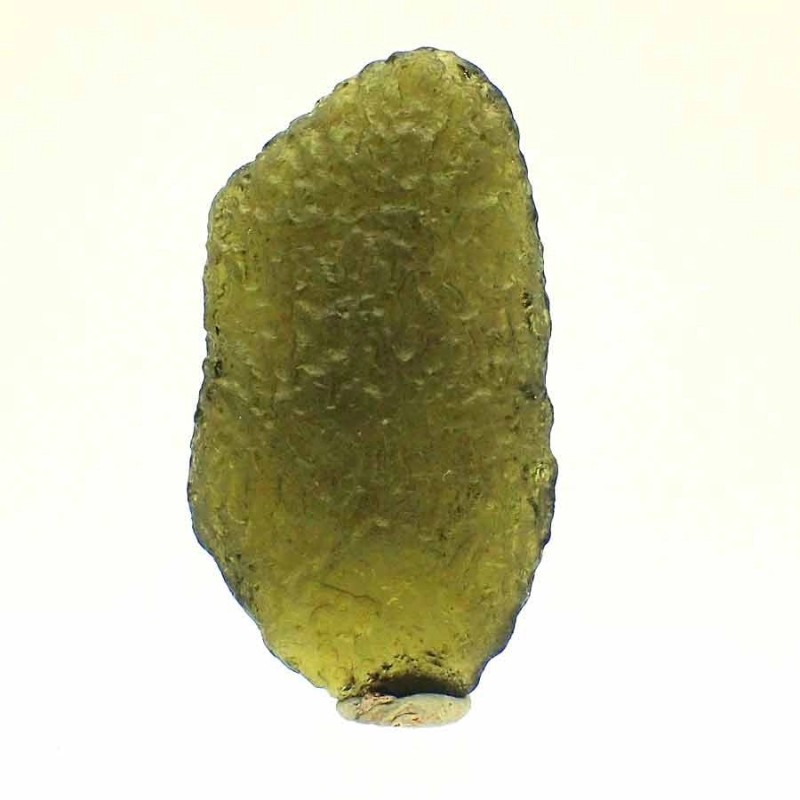
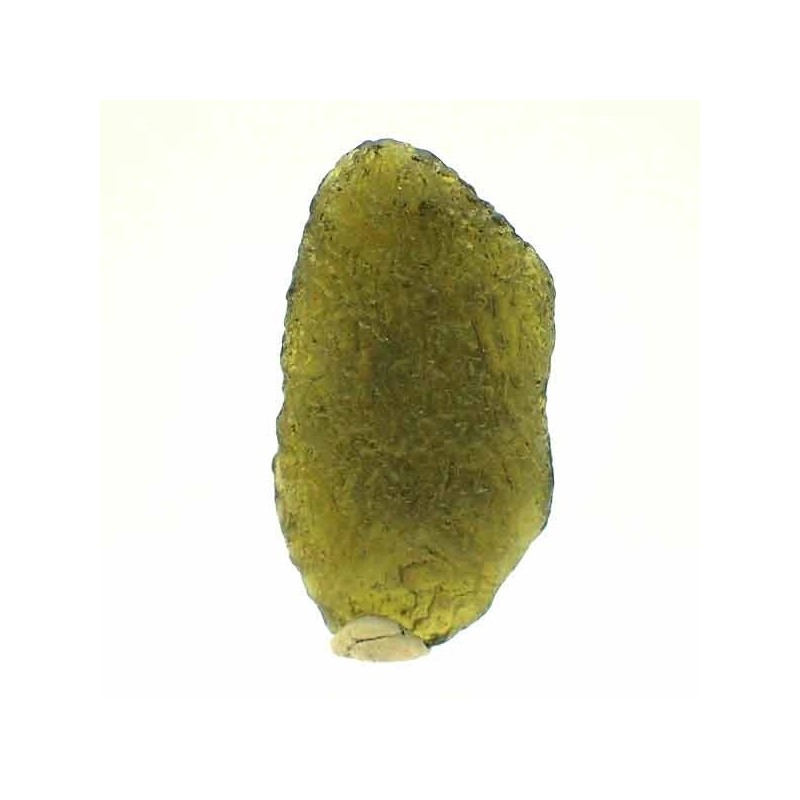
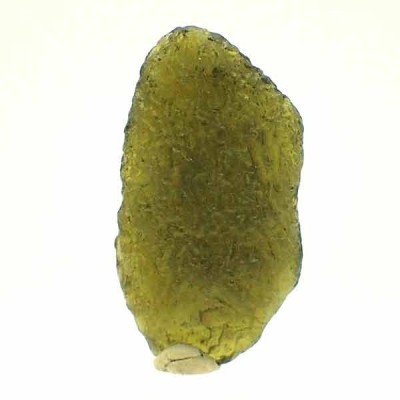
Spectacular moldavite, measures ± 3.6 cm x 2.2 cm, and weighs 7.55 grams. Complete, ideal for jewelry, light green in color, which gives it a unique transparency, with oriented flight lines.
* Moldavites are a very special type of tektite. They come from the impact of a meteorite in southern Germany 14.7 million years ago. They have been used as gems since the Paleolithic because of their extraordinary beauty. Currently they are used as gems although it is estimated that in no more than 10 years their deposits will be exhausted.
14.7 M.A.
River Moldava, Czech Republic