Español


 0

Unique and special collectible fossils
Unique and special collectible minerals
Unique and special collectible fossils
Unique and special collectible minerals
 100% SECURE PAYMENT
Credit card or PayPal
 SHIPPING
Estimated time 7 to 10 days
 RETURNS
See our return policy

Guarantee safe & secure checkout
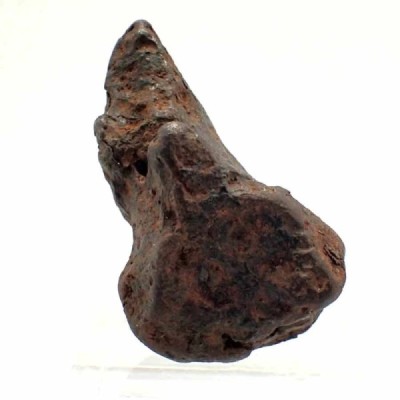
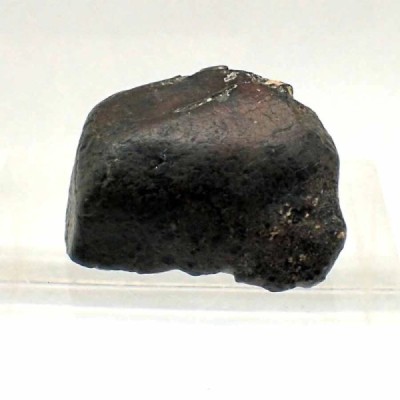
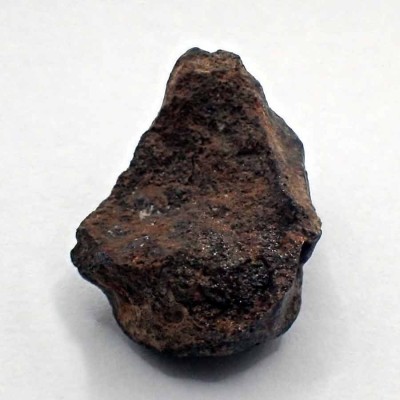
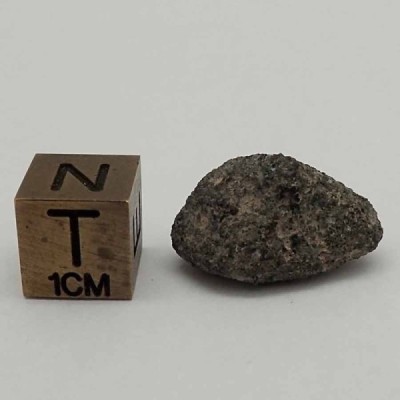
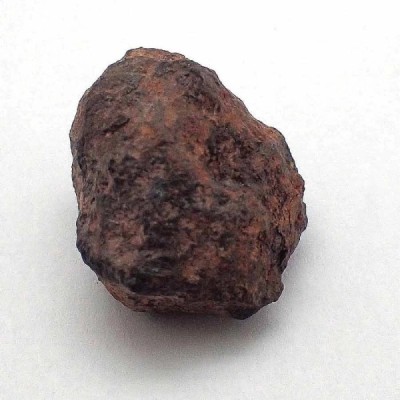
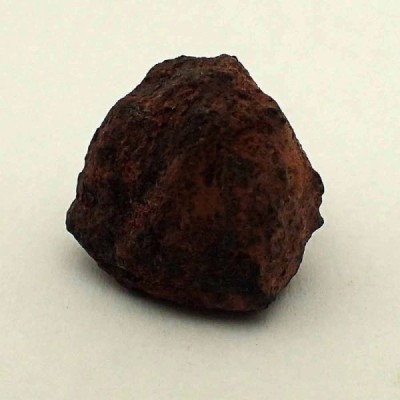
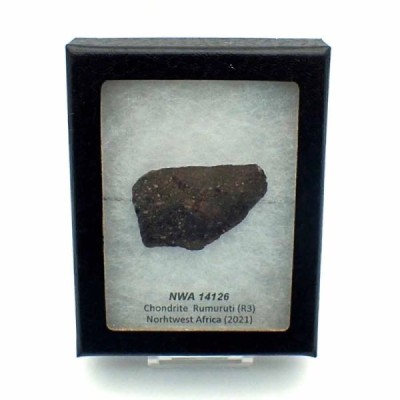
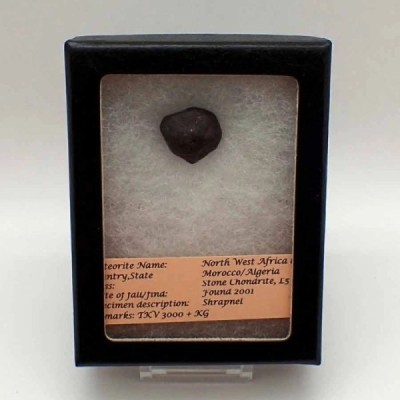
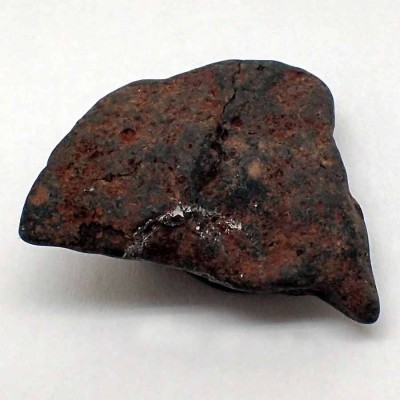
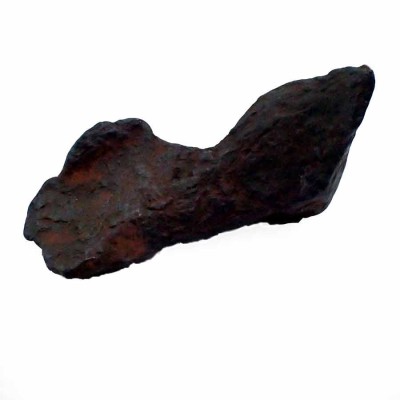
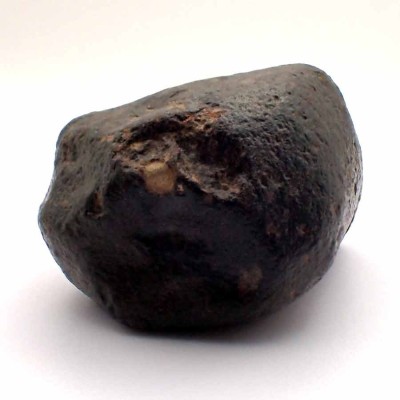
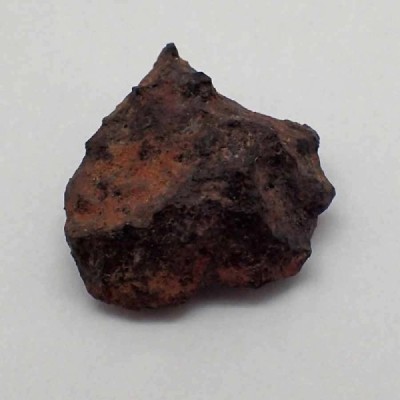
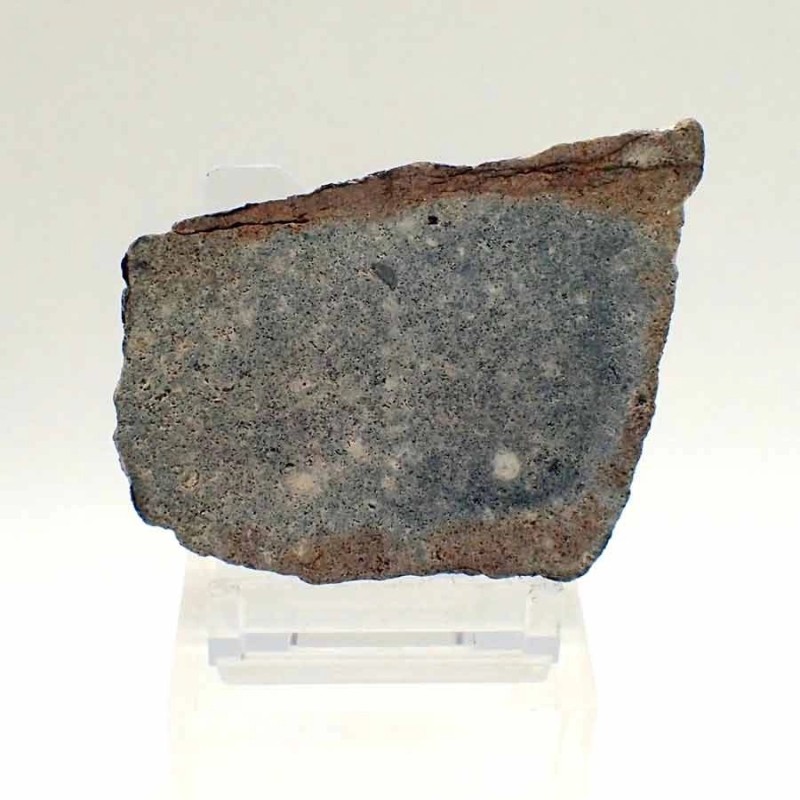
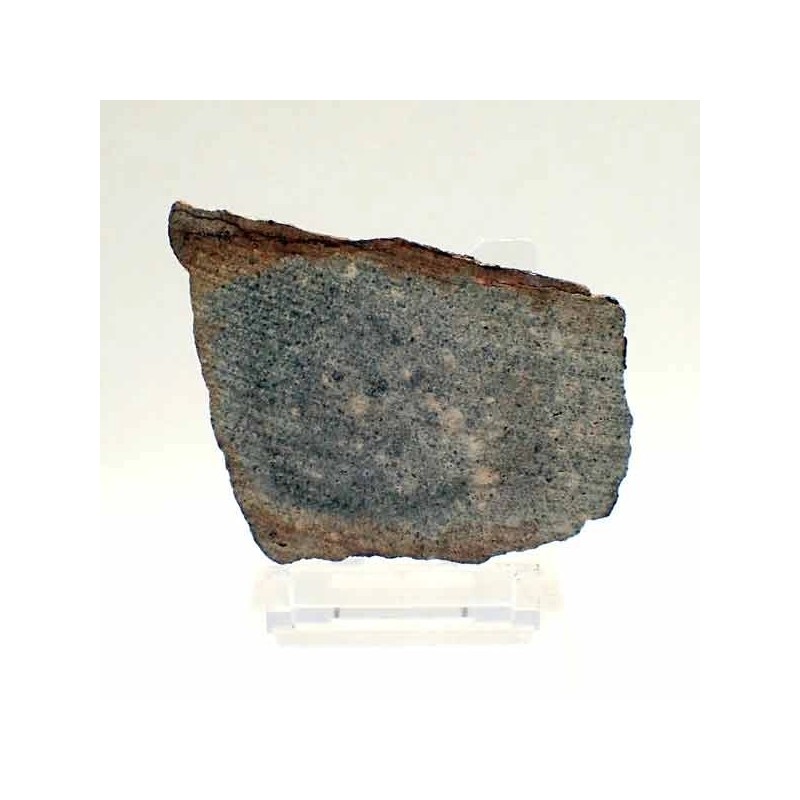
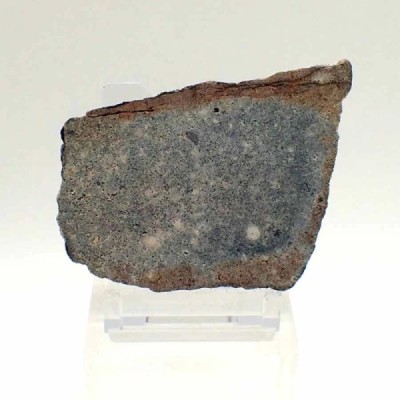
Enstatite Chondrite EL 4-7
Cut section of aubrite measuring ± 2.5 x 2.1cm and weighing 9.8 grams. New, very rare pieces to find on the market.
Aubrites are typically light in color, and with a brown fusion crust. Aubrites are composed mainly of large white crystals of Mg-rich orthopyroxene, or enstatite. Their igneous origin separates them from the primitive enstatite achondrites and means that They originated from an asteroid.
Most aubrites are heavily brecciated which attests to a violent history in their parent body.
Around this matrix, they have minor phases of olivine, nickel-iron metal and troilite, which indicate a magmatic formation under extremely reducing conditions.
Comparisons of aubrite spectra with asteroid spectra have revealed striking similarities between the aubrite group and the E-type asteroids of the Nysa family.
A small near-Earth object, (3103) Eger, is often suggested as the main body of the aubrites.
Found in 2006
Saguia el Hamra, Western Sahara