
Amber
Fossilized resin with insects or plants
Ammonites
Extinct cephalopod mollusks
Crustaceans
Crabs, shrimps, and other fossil arthropods
Amphibians and Reptiles
Pieces of sauropsids, crocodiles, and turtles
Teeth
Shark teeth and other fish
Dinosaurs
Very well preserved fossil pieces
Echinoderms
Sea urchins, starfish and other fossils
Insects
Very well preserved and well defined fossil insects
Mammals
Fossils of mammuthus, whales, bears, bison ...
Other Fossils
Rare, scarce and diverse classification fossils
Fish
Fossils of fish, vertebrae, fins and teeth
Paleobotany
Fossilized leaves, trunks, conifers, ferns and pineapples
Trilobites
Large collection of fascinating fossil trilobites
Special
Unique and special collectible fossils
Amber
Fossilized resin with insects or plants
Ammonites
Extinct cephalopod mollusks
Crustaceans
Crabs, shrimps, and other fossil arthropods
Amphibians and Reptiles
Pieces of sauropsids, crocodiles, and turtles
Teeth
Shark teeth and other fish
Dinosaurs
Very well preserved fossil pieces
Echinoderms
Sea urchins, starfish and other fossils
Insects
Very well preserved and well defined fossil insects
Mammals
Fossils of mammuthus, whales, bears, bison ...
Other Fossils
Rare, scarce and diverse classification fossils
Fish
Fossils of fish, vertebrae, fins and teeth
Paleobotany
Fossilized leaves, trunks, conifers, ferns and pineapples
Trilobites
Large collection of fascinating fossil trilobites
Special
Unique and special collectible fossils
Credit card or PayPal
Estimated time 7 to 10 days
See our return policy
Guarantee safe & secure checkout
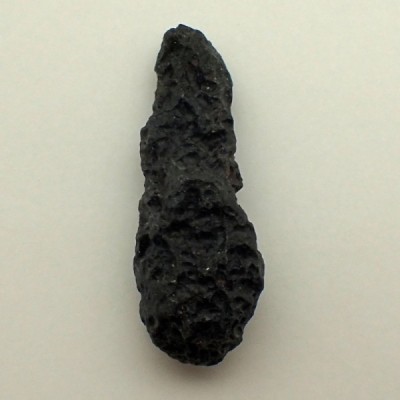
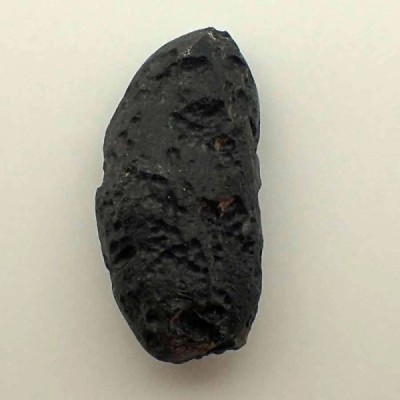
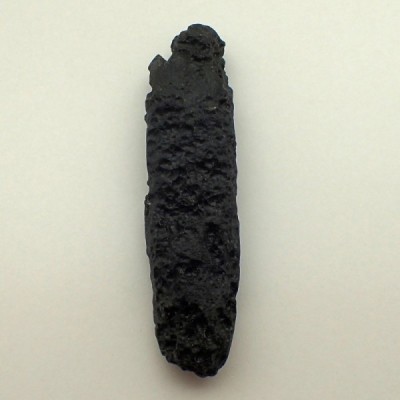
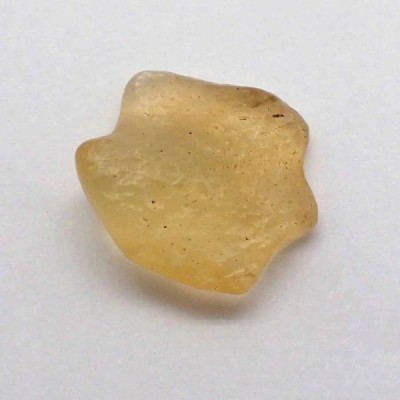
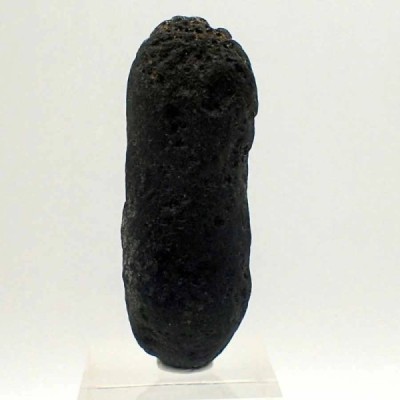
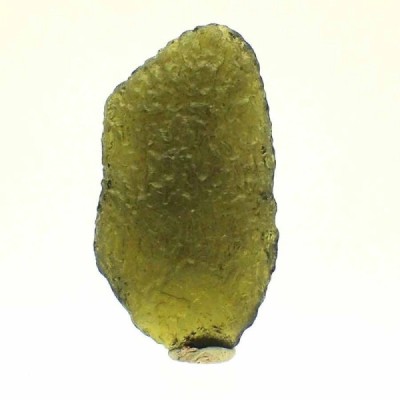
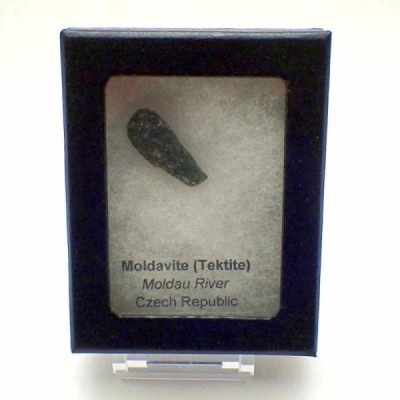
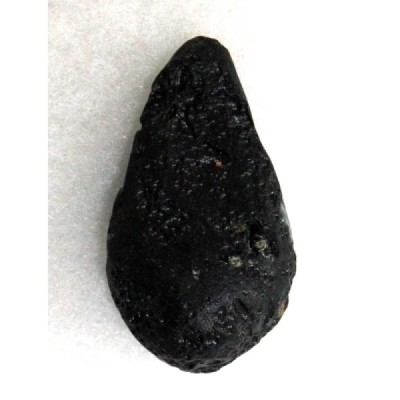
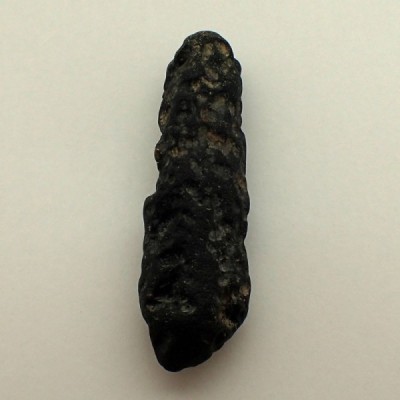
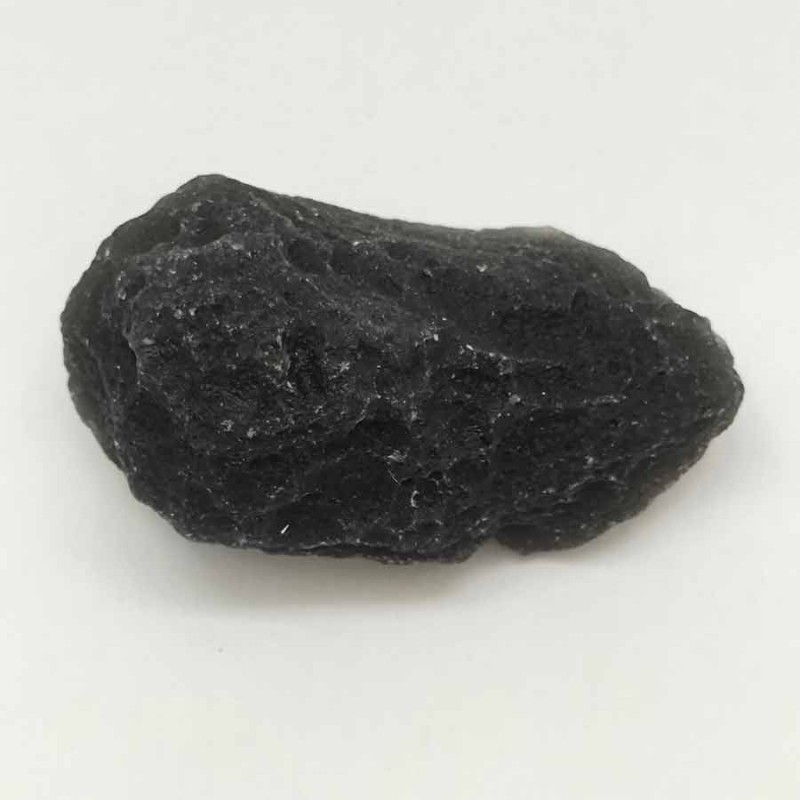
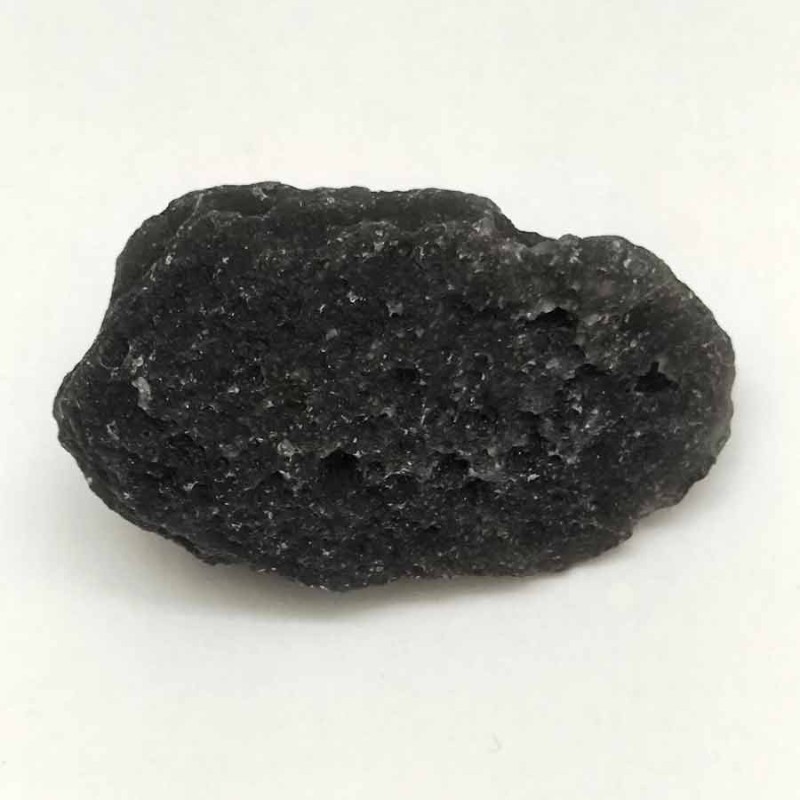
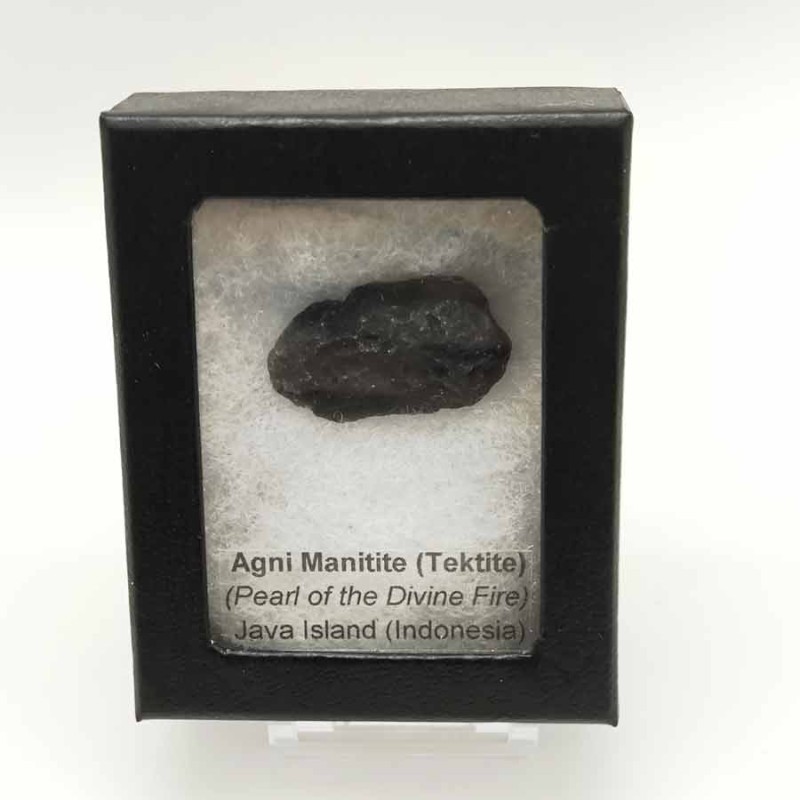
It weighs 9.7 grams and measures 3.4 x 1.8 x 1.3 cm. Complete, ideal for jewelry, with a translucent gray color, giving it a unique transparency, and oriented flight lines. Comes with box and description.
*Agni Manitite, also known commercially as the Pearl of Fire, is an extremely rare tektite with a dark charcoal gray-black to smoky translucent color. Its name is derived from the ancient Sanskrit term "agni mani," meaning "pearl of divine fire." These tektites were formed when a meteorite fell on the Indonesian archipelago. This resulted in the surface heating sufficient to liquefy it, thus giving Mother Earth an otherworldly mineral. What makes this so rare is that most pieces of Agni Manitite are now underwater, making this tektite incredibly difficult to find.
Java Island, Indonesia