Español


 0

Unique and special collectible fossils
Unique and special collectible minerals
Unique and special collectible fossils
Unique and special collectible minerals
 100% SECURE PAYMENT
Credit card or PayPal
 SHIPPING
Estimated time 7 to 10 days
 RETURNS
See our return policy

Guarantee safe & secure checkout
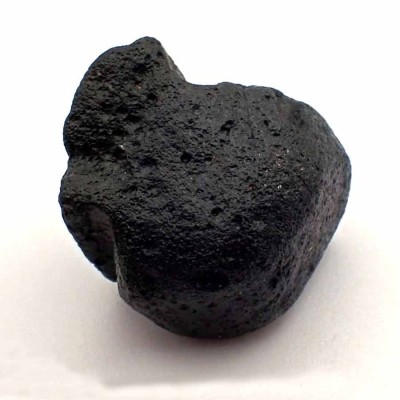
Picture taken with fluorescent light, without tricks or transparencies, the color is natural.
It weighs 5.39 grams and measures ± 2.6 x 2 cms.
Chemically it is formed by 98% SiO2, with traces of iron oxide and titanium.
Mineralogically they are a type of natural glass formed at high temperatures called lechatelierita.
"The latest analysis shows that it is a tectita, formed by the impact of a meteorite that melted sand
Rich in calcium and magnesium, hence its color. They have been found in the interior of the Libyanite bubbles with own elements
Of the meteorites, that were caught in the process of shock and fusion. The Libyanite does not have typical flight structures
Of the tectitas, but if it has conserved the regmaglifos and lines of erosion to have been buried in the sand.
The quality of the Libyan glass is determined by order of importance the intensity of color, transparency,
Softness in shapes and size. This material is very special and scarce. "