Español
- New


 0
0
Unique and special collectible minerals

Unique and special collectible fossils
Unique and special collectible minerals
Unique and special collectible minerals
Unique and special collectible fossils
Unique and special collectible minerals
 100% SECURE PAYMENT
Credit card or PayPal
 SHIPPING
Estimated time 7 to 10 days
 RETURNS
See our return policy

Guarantee safe & secure checkout
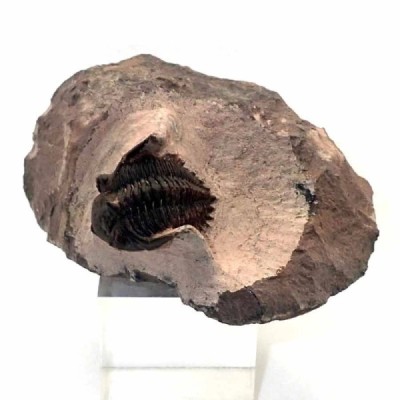
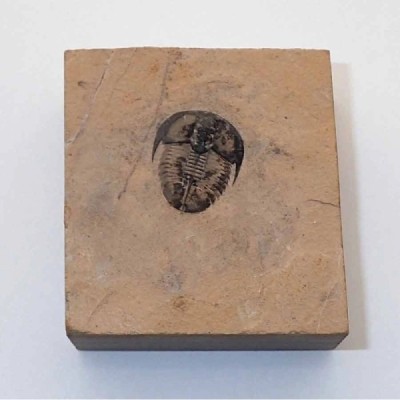
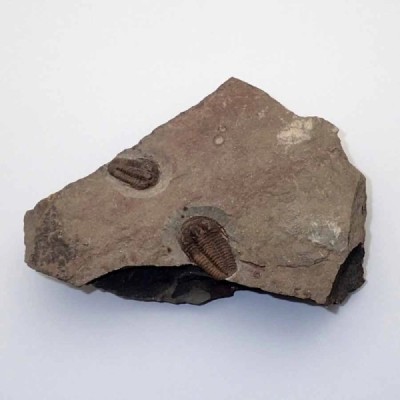
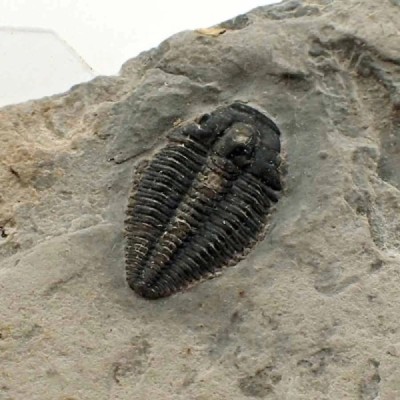
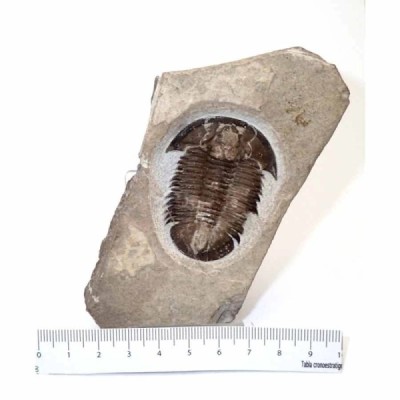
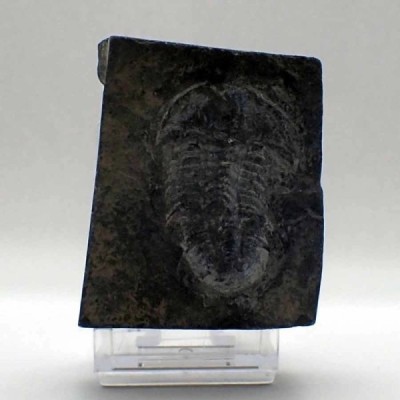
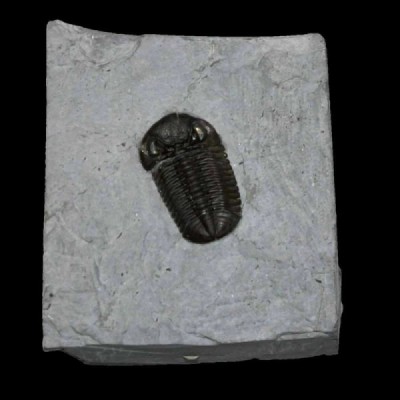
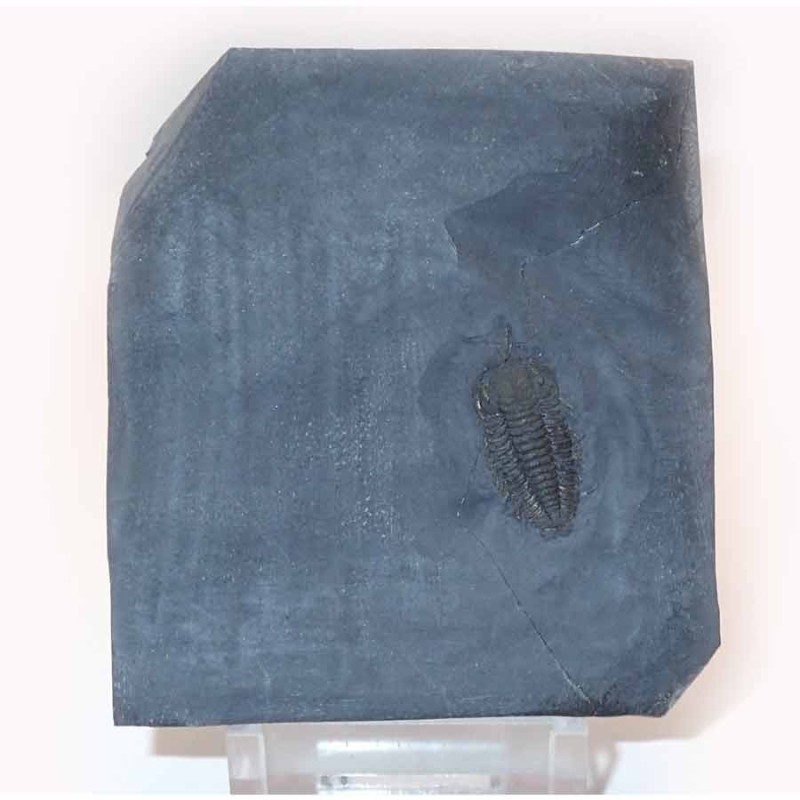
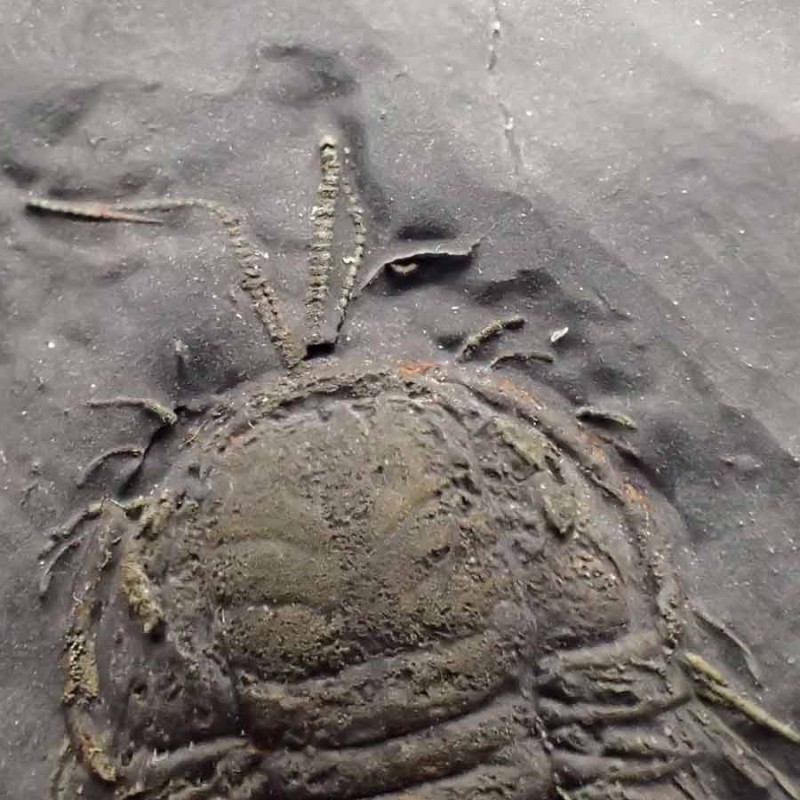
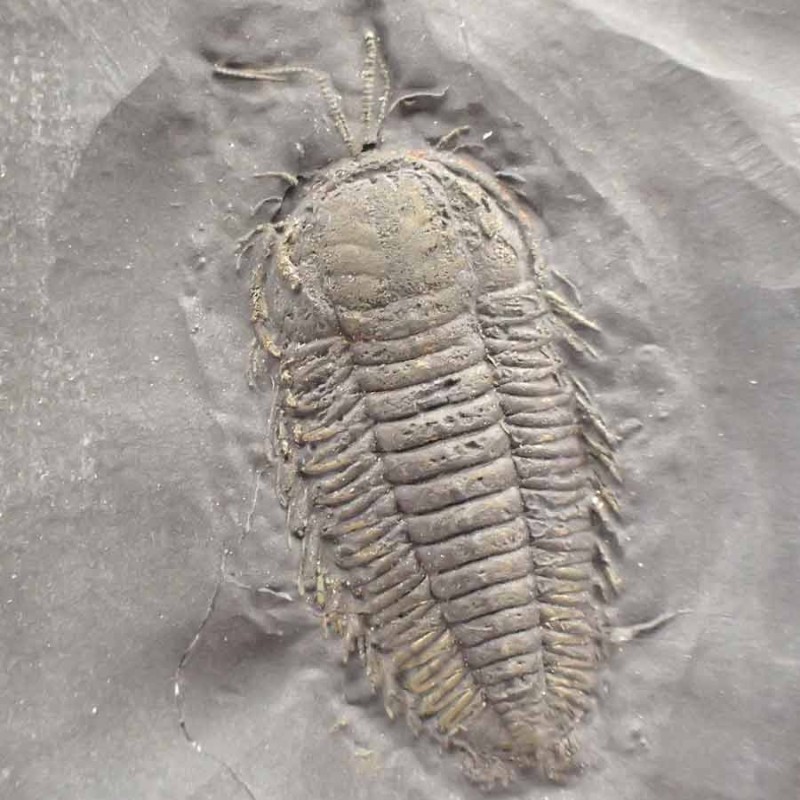
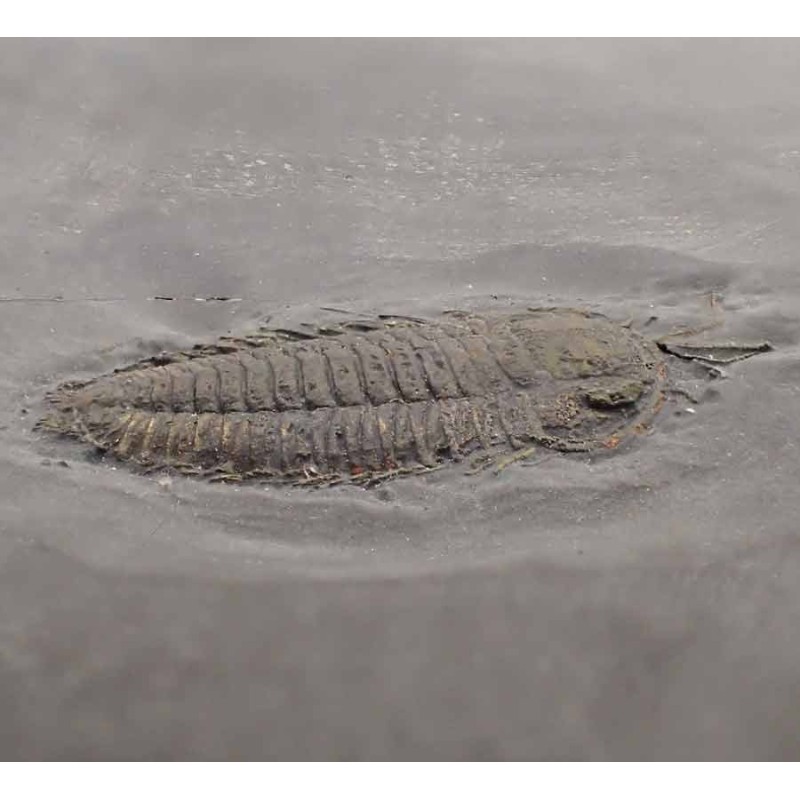
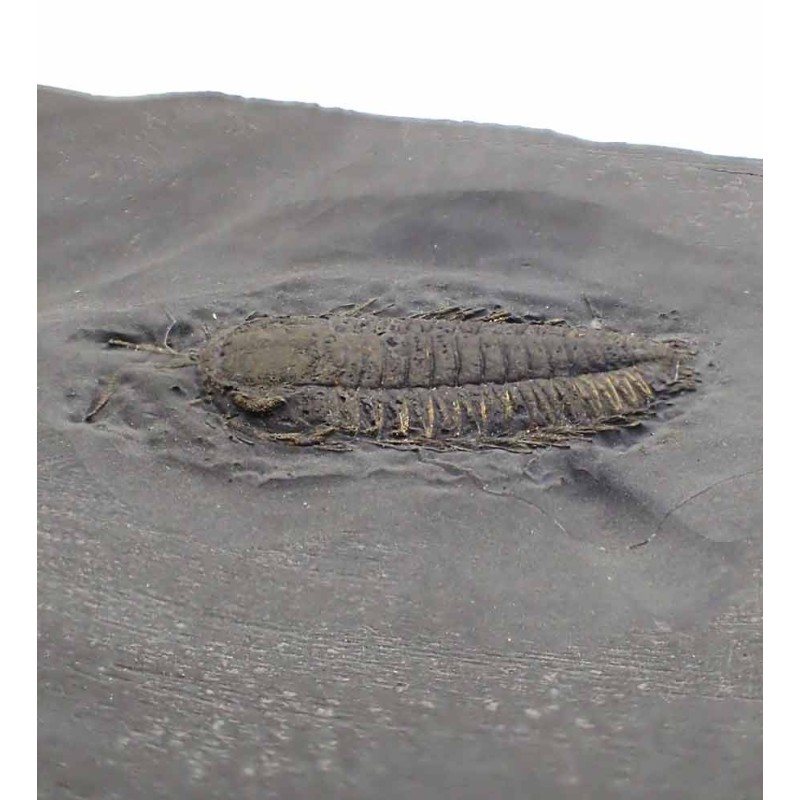
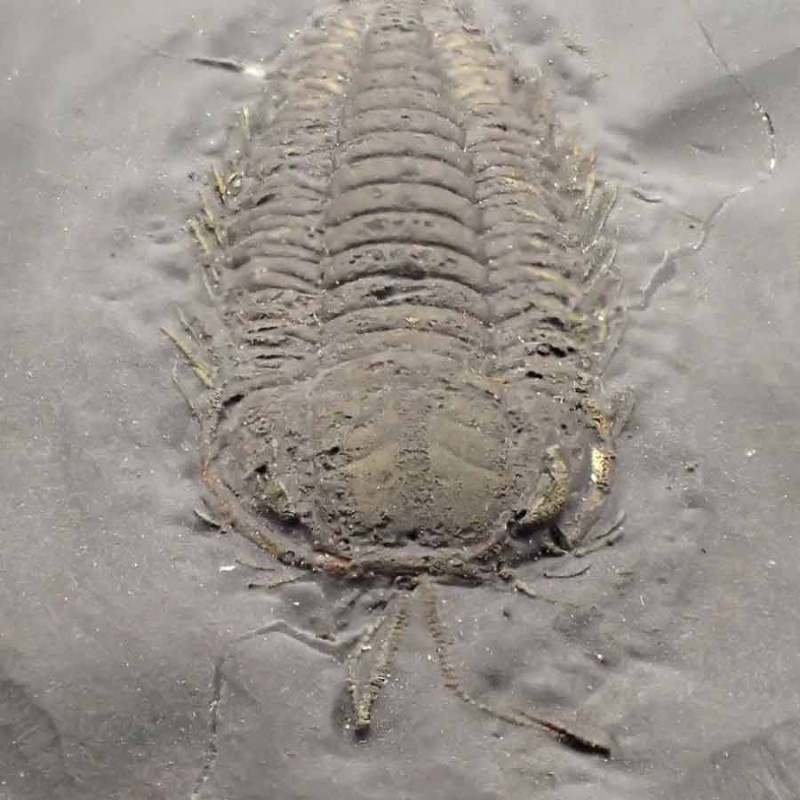
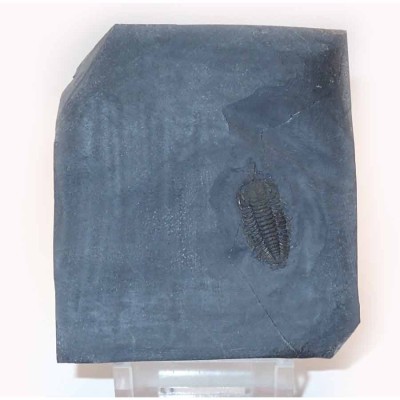
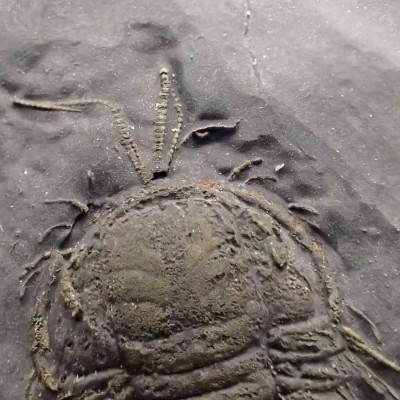
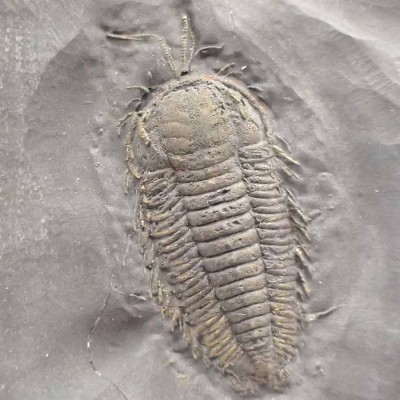
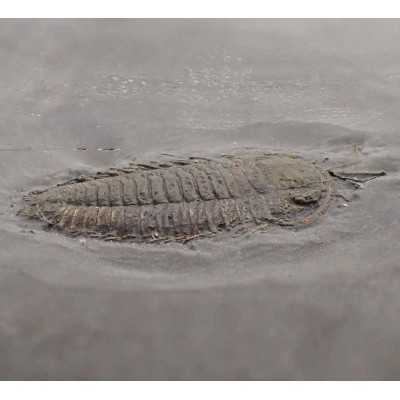
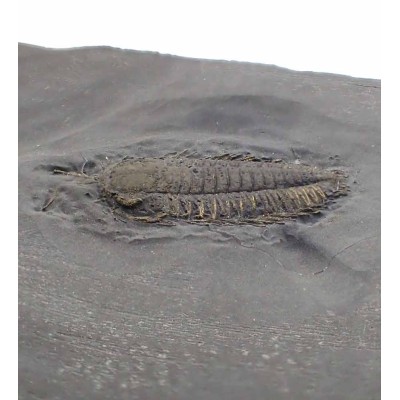
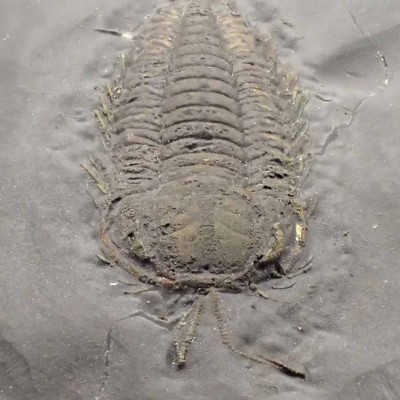
Exceptional specimen measuring approximately 7.6 x 6.8 cm. A fairly large trilobite for its species, perfectly preserved and natural, with no retouching, measuring approximately 2.8 cm in length.
It is mineralized in pyrite and sandblasted to reveal all the details without damaging the fossil.
*At first glance, Triarthrus may seem quite simple compared to trilobites with highly developed or ornate spines. What makes it extraordinary is not its appearance, but the rare fossils that preserve parts normally lost to decomposition. Thanks to these specimens, Triarthrus has become one of the most important trilobites for understanding the structure of the entire group. The cephalon, or head shield, had a broad central glabella crossed by several well-defined grooves. The thin, elongated eyes were located on the sides, although they can be difficult to see in flattened slate fossils. Behind the head were typically 14 to 16 thoracic segments, followed by a small caudal shield called a pygidium. This combination gives complete specimens a long, narrow outline that is useful for identification. Most trilobite fossils preserve only the hard exoskeleton. However, exceptional specimens of Triarthrus eatoni from New York preserve antennae, jointed legs, mouthparts, and limb branches finely divided in pyrite. A modern study of these appendages confirmed that the upper branch of each limb functioned as a well-developed gill (Hou et al., 2021). More recent research has also found evidence that trilobites had five pairs of cephalic appendages, including one pair of antennae and four pairs of two-branched limbs (Hou and Hopkins, 2024).
Upper Ordovician, Whetstone Gulf Formation, Lorraine Group
Lewis County, New York State, USA