Español



 0

Unique and special collectible fossils
Unique and special collectible minerals
Unique and special collectible fossils
Unique and special collectible minerals
 100% SECURE PAYMENT
Credit card or PayPal
 SHIPPING
Estimated time 7 to 10 days
 RETURNS
See our return policy

Guarantee safe & secure checkout
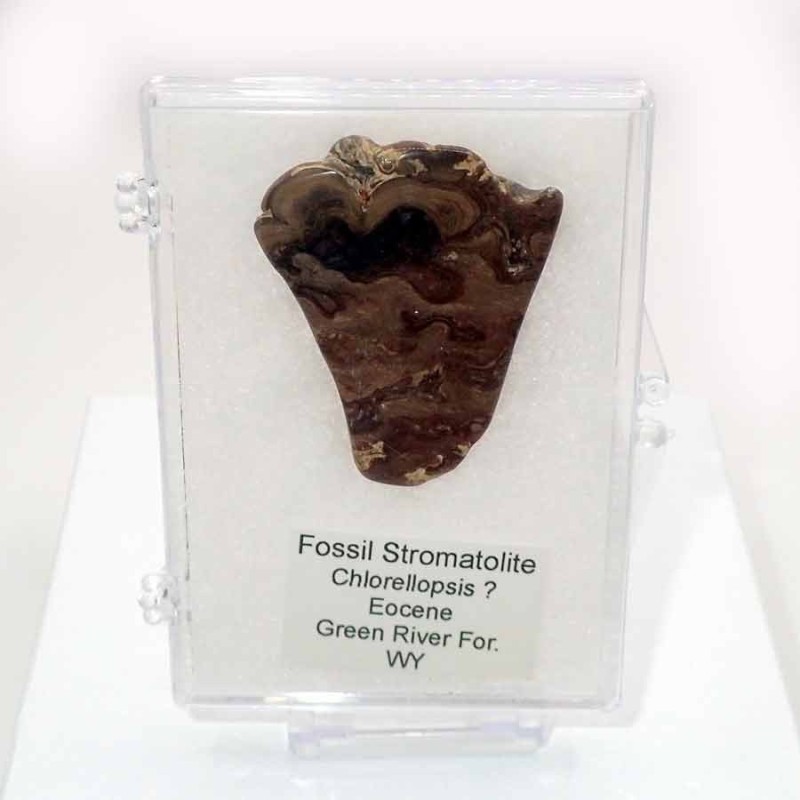
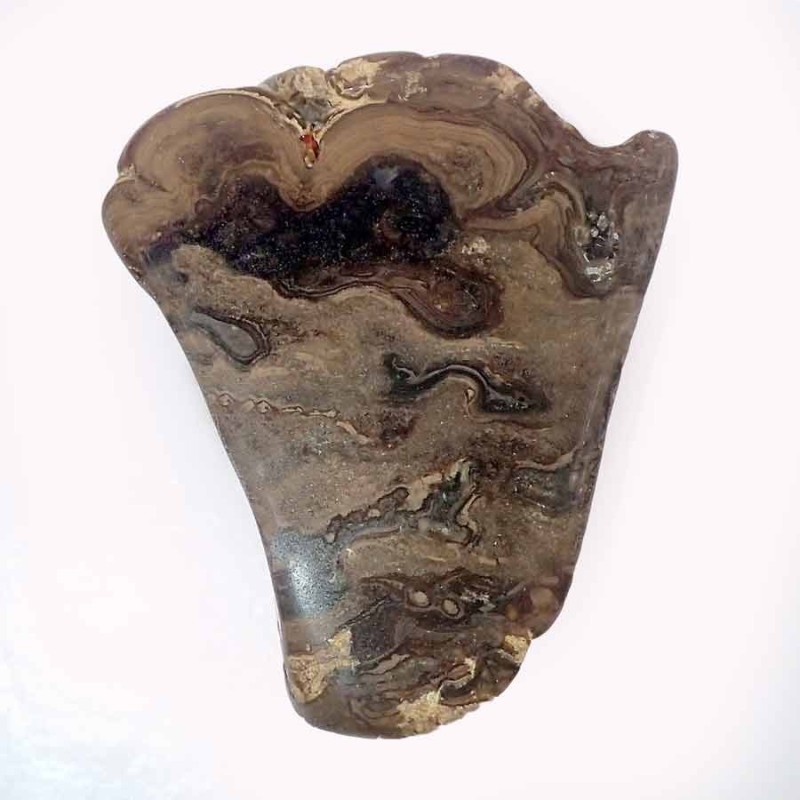
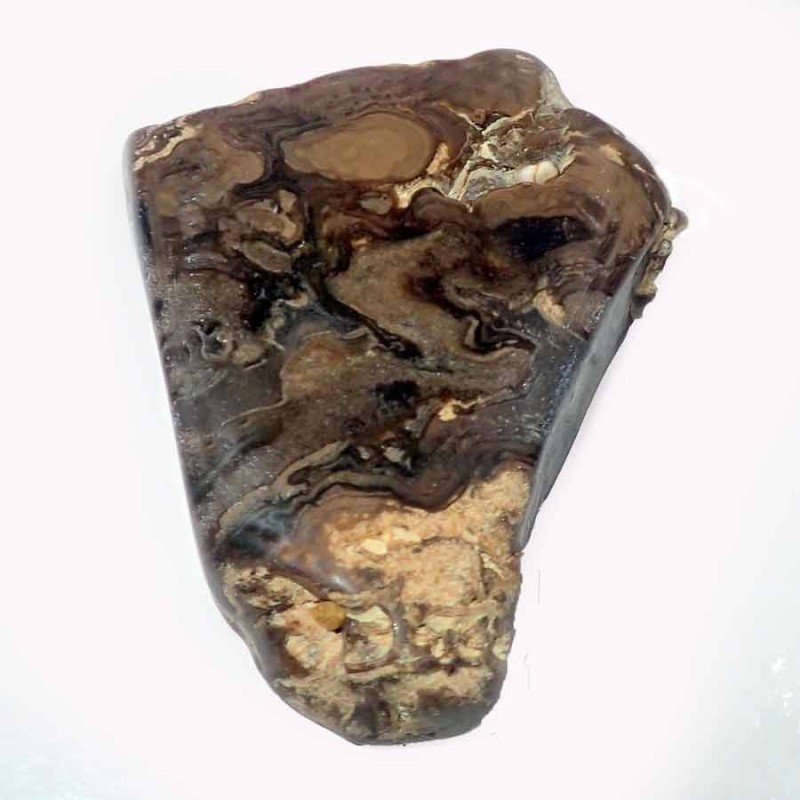
tromatolite sectioned to show the growth structure, measures ± 5 x 3.5 cm.
* Stromatolites are layered biochemical cumulative structures formed in shallow water by the capture, binding, and cementation of sedimentary grains by biofilms (microbial mats) of microorganisms, especially cyanobacteria, a single-celled photosynthetic microbe (still living today) in a wide range from environments ranging from the shallow shelf to lakes, rivers and even soils. Cyanobacteria are prokaryotic cells (the simplest form of modern carbon-based life) because they lack a DNA packaging nucleus. Bacteria, including photosynthetic cyanobacteria, were the only form of life on Earth for the first 2 billion years that life existed on Earth. Fossilized stromatolites provide ancient records of life on Earth for these remains, which could be dated back more than 3.5 billion years.
Eocene,Grenn River Formatión
Wyoming,USA