Amber
Fossilized resin with insects or plants
Ammonites
Extinct cephalopod mollusks
Crustaceans
Crabs, shrimps, and other fossil arthropods
Amphibians and Reptiles
Pieces of sauropsids, crocodiles, and turtles
Teeth
Shark teeth and other fish
Dinosaurs
Very well preserved fossil pieces
Echinoderms
Sea urchins, starfish and other fossils
Insects
Very well preserved and well defined fossil insects
Mammals
Fossils of mammuthus, whales, bears, bison ...
Other Fossils
Rare, scarce and diverse classification fossils
Fish
Fossils of fish, vertebrae, fins and teeth
Paleobotany
Fossilized leaves, trunks, conifers, ferns and pineapples
Trilobites
Large collection of fascinating fossil trilobites
Special
Unique and special collectible fossils
Amber
Fossilized resin with insects or plants
Ammonites
Extinct cephalopod mollusks
Crustaceans
Crabs, shrimps, and other fossil arthropods
Amphibians and Reptiles
Pieces of sauropsids, crocodiles, and turtles
Teeth
Shark teeth and other fish
Dinosaurs
Very well preserved fossil pieces
Echinoderms
Sea urchins, starfish and other fossils
Insects
Very well preserved and well defined fossil insects
Mammals
Fossils of mammuthus, whales, bears, bison ...
Other Fossils
Rare, scarce and diverse classification fossils
Fish
Fossils of fish, vertebrae, fins and teeth
Paleobotany
Fossilized leaves, trunks, conifers, ferns and pineapples
Trilobites
Large collection of fascinating fossil trilobites
Special
Unique and special collectible fossils
Credit card or PayPal
Estimated time 7 to 10 days
See our return policy
Guarantee safe & secure checkout
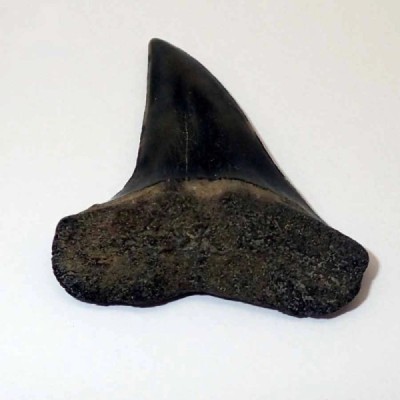
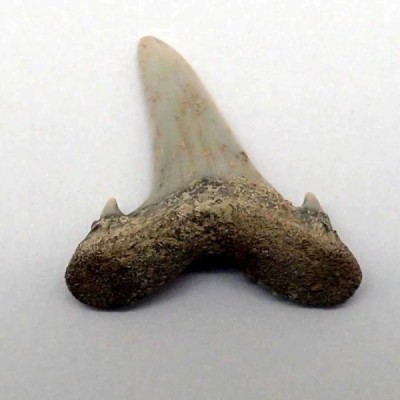
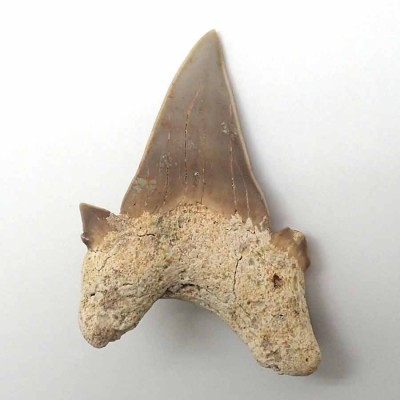
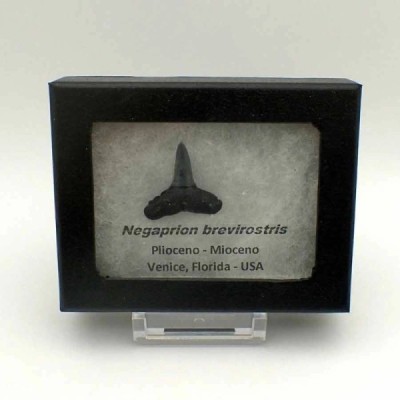
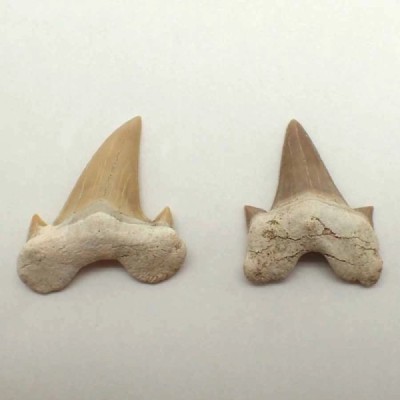
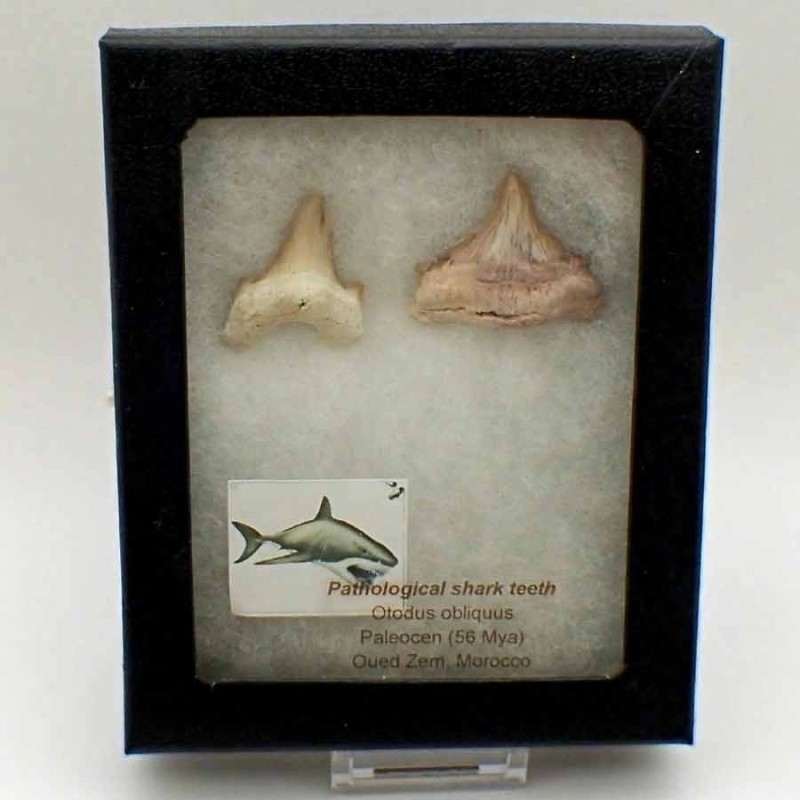
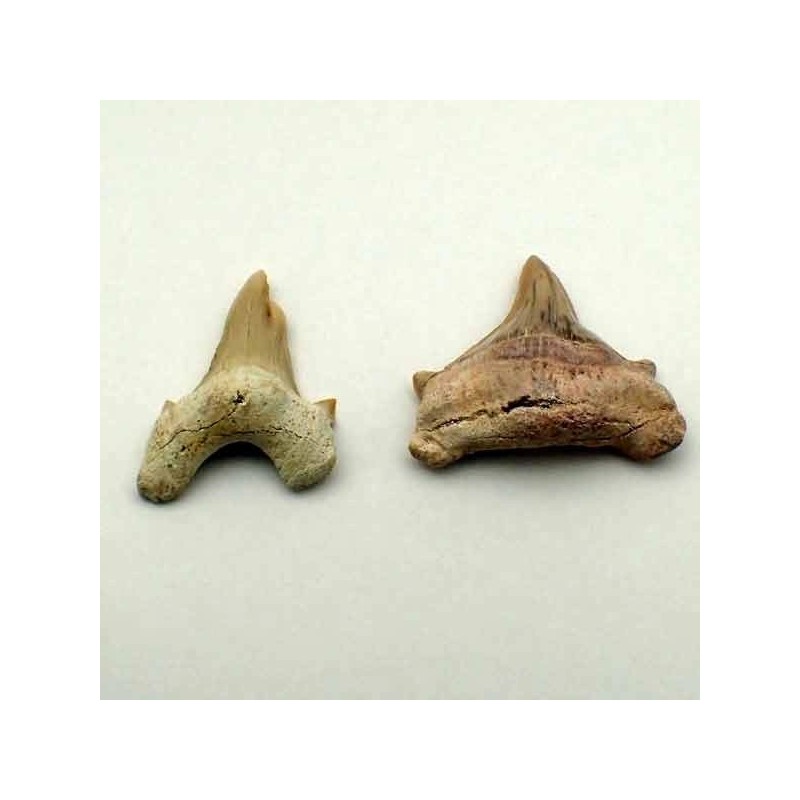
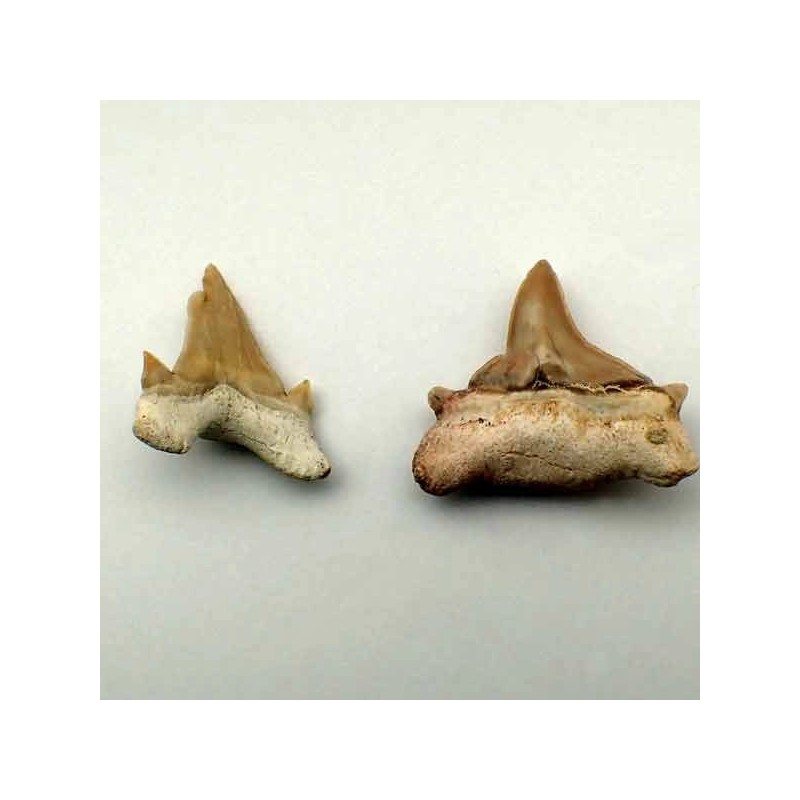
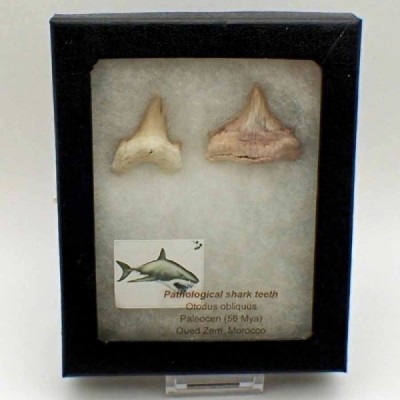
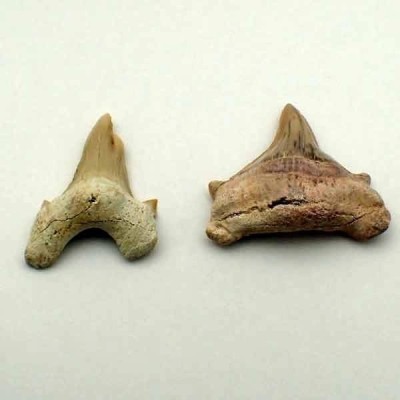
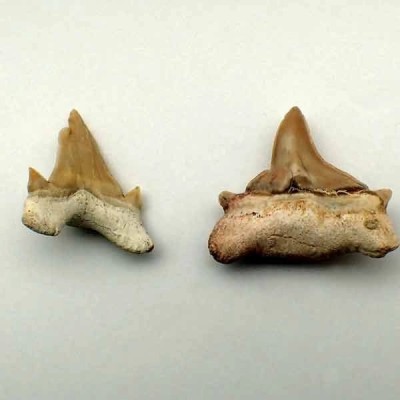
Pathological teeth from the giant mackerel shark.
Otodus obliquus (Agassiz, 1843)
Lot of two teeth showing severe pathology. The teeth are 100% complete, no restorations or repairs. The tooth on the left measures ±3.5 cm high x 2.6 cm wide. The tooth on the right measures ±3.2 cm high x 3.8 cm wide. They come with a box and description.
*Pathological teeth are formed by disease or deformity of the shark's jaw line, where the teeth form to accommodate the intrusion. They are among the rarest and most unusual teeth known and these from Morocco are some of the best quality known anywhere in the world.
Upper Paleocene Period - 60 Million Years Old
Morocco phosphates,Oued zem