- New
Amber
Fossilized resin with insects or plants
Ammonites
Extinct cephalopod mollusks
Crustaceans
Crabs, shrimps, and other fossil arthropods
Amphibians and Reptiles
Pieces of sauropsids, crocodiles, and turtles
Teeth
Shark teeth and other fish
Dinosaurs
Very well preserved fossil pieces
Echinoderms
Sea urchins, starfish and other fossils
Insects
Very well preserved and well defined fossil insects
Mammals
Fossils of mammuthus, whales, bears, bison ...
Other Fossils
Rare, scarce and diverse classification fossils
Fish
Fossils of fish, vertebrae, fins and teeth
Paleobotany
Fossilized leaves, trunks, conifers, ferns and pineapples
Trilobites
Large collection of fascinating fossil trilobites
Special
Unique and special collectible fossils
Amber
Fossilized resin with insects or plants
Ammonites
Extinct cephalopod mollusks
Crustaceans
Crabs, shrimps, and other fossil arthropods
Amphibians and Reptiles
Pieces of sauropsids, crocodiles, and turtles
Teeth
Shark teeth and other fish
Dinosaurs
Very well preserved fossil pieces
Echinoderms
Sea urchins, starfish and other fossils
Insects
Very well preserved and well defined fossil insects
Mammals
Fossils of mammuthus, whales, bears, bison ...
Other Fossils
Rare, scarce and diverse classification fossils
Fish
Fossils of fish, vertebrae, fins and teeth
Paleobotany
Fossilized leaves, trunks, conifers, ferns and pineapples
Trilobites
Large collection of fascinating fossil trilobites
Special
Unique and special collectible fossils
Credit card or PayPal
Estimated time 7 to 10 days
See our return policy
Guarantee safe & secure checkout
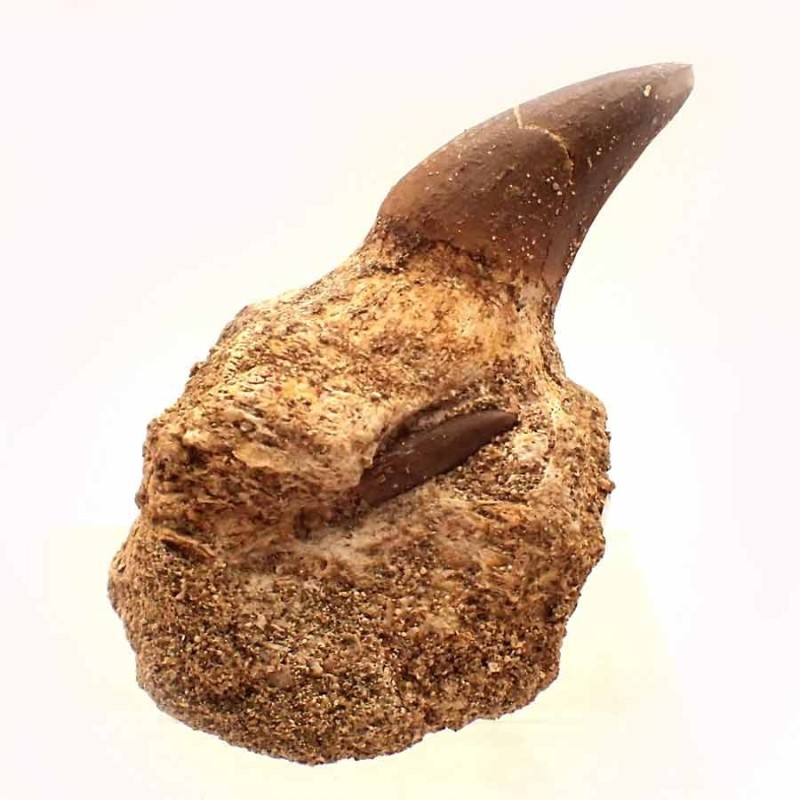
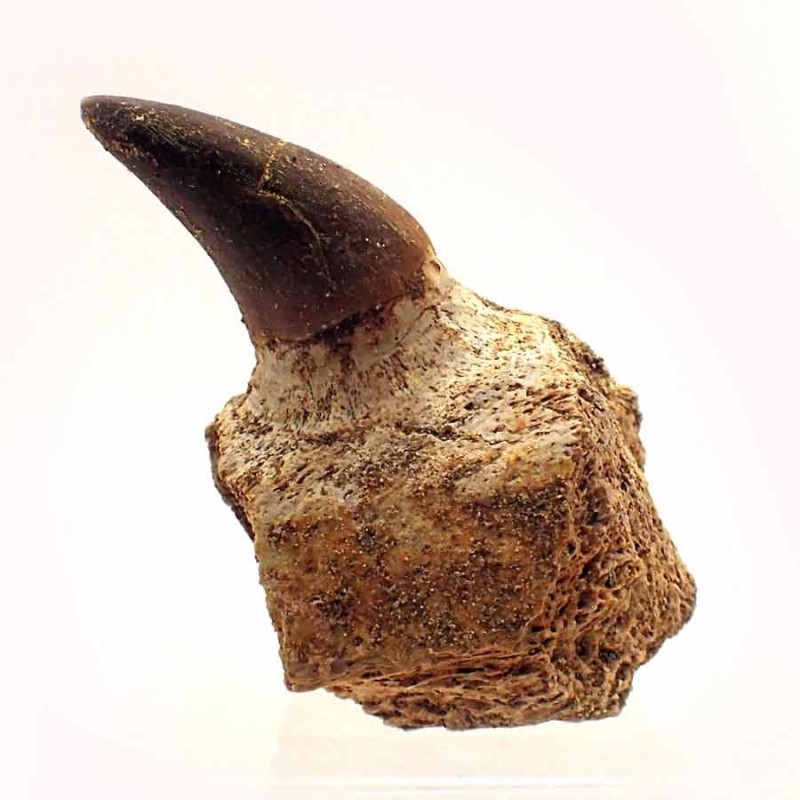
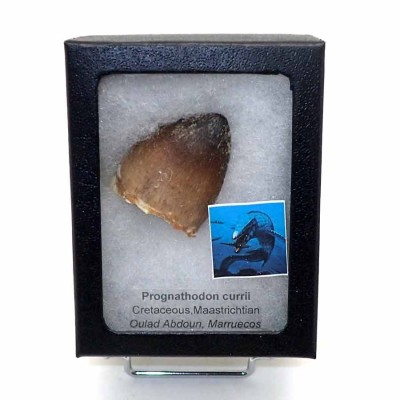
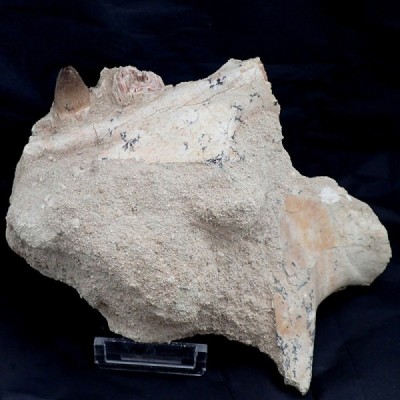
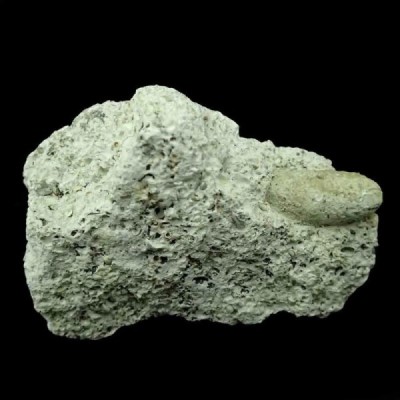
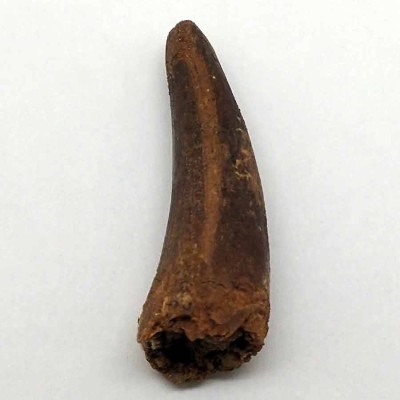
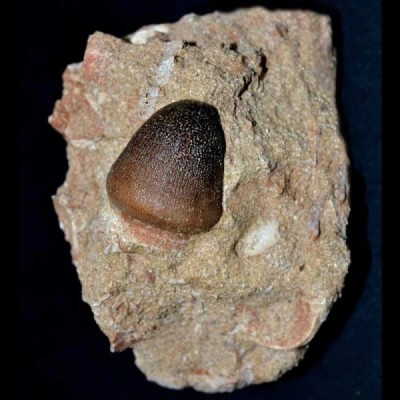
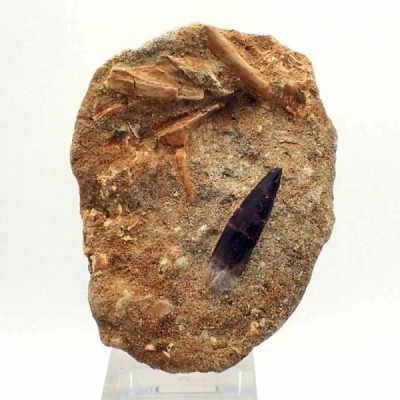
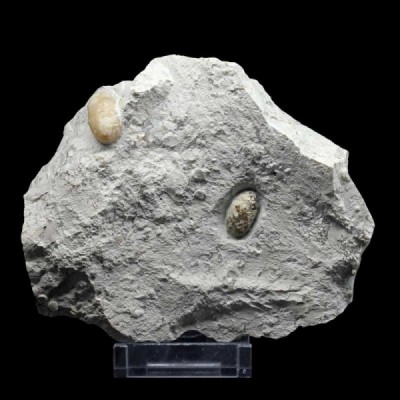
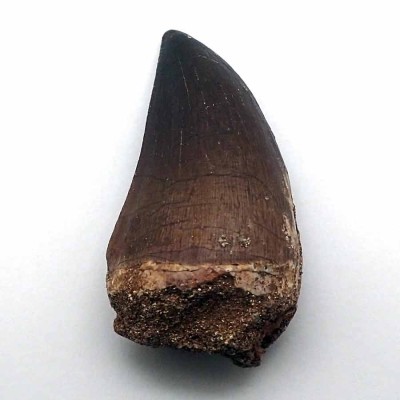
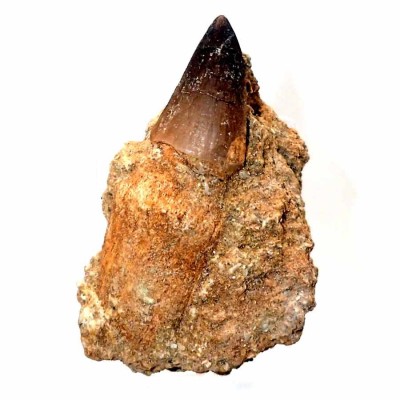
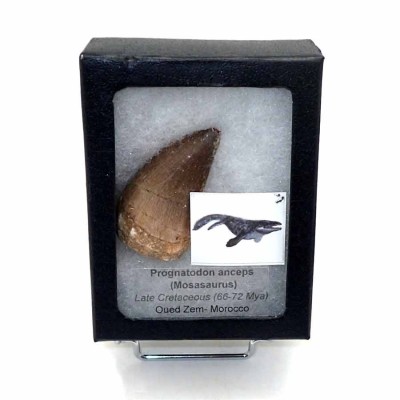
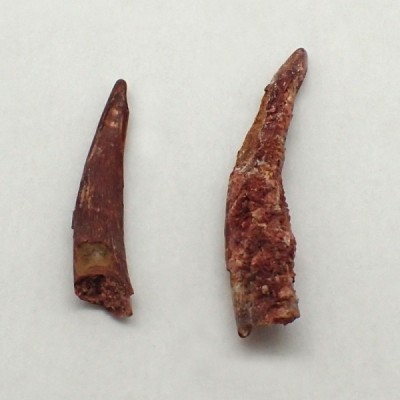
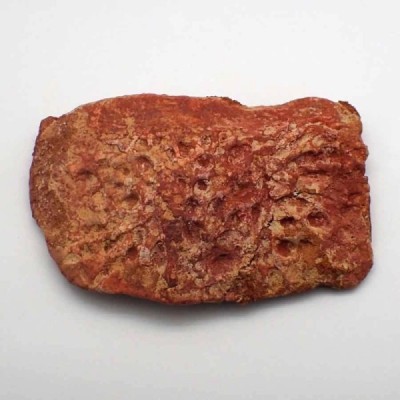
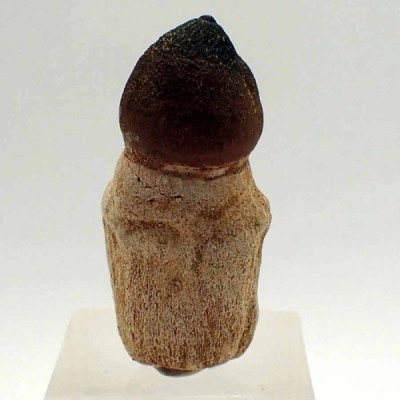
Fragment of a jawbone with a tooth approximately 3 cm long, retaining almost all of its enamel. The piece measures 5.5 x 3 cm. Cleaned in our laboratory. Comes with a box and description.
*Eremiasaurus is an extinct genus of Cretaceous marine lizard belonging to the Mosasauridae family. It is known exclusively from the Maastrichtian phosphates of the Ouled Abdoun Basin in Morocco. Eremiasaurus means "desert lizard," referring to the arid climate of present-day Morocco where its fossils were recovered.
Cretaceous, Mosasauridae Formation
Ouled Abdoun, Morocco